
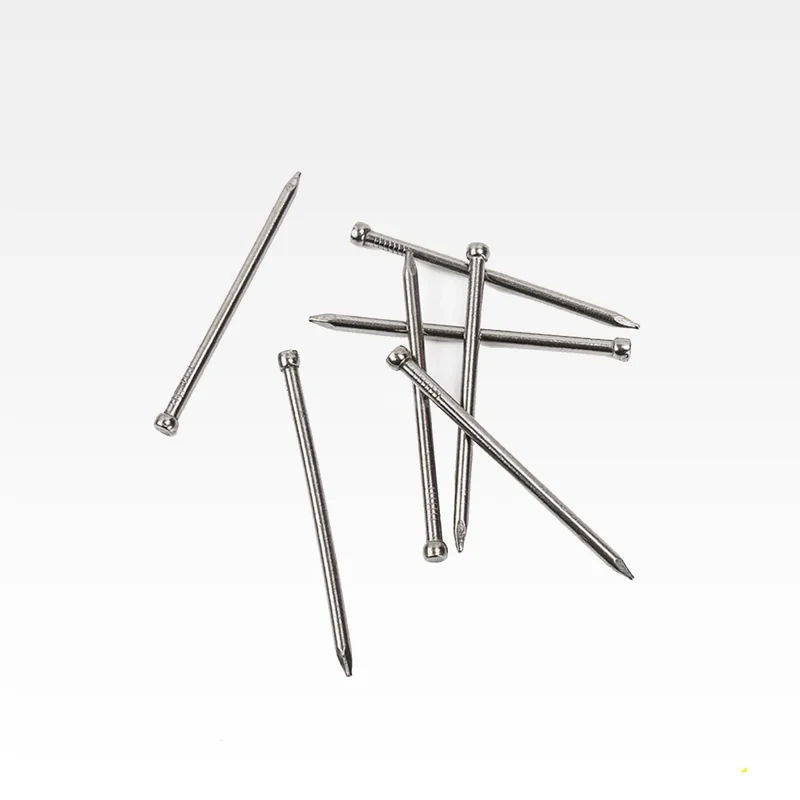
Nails and fasteners look simple in a product list, but they require precise specification before a useful quotation can be made. A buyer asking only for "iron nails" may receive prices for products that differ in length, wire diameter, head style, finish, packing weight, carton size, or application. These differences affect both unit price and destination handling.
This checklist is written for importers comparing nails and fasteners for building-material channels, hardware stores, wholesale distributors, and mixed hardware containers.
1. Identify nail type before discussing price
Common nails, concrete nails, roofing nails, umbrella head nails, coil nails, and specialty fasteners should be treated as separate products. Each type has different material expectations, application use, and packing method. If the buyer needs several types, list them line by line instead of asking for a general nail price.
- Common nails: often compared by length, wire diameter, head size, shank style, and packing weight.
- Concrete nails: need attention to hardness direction, finish, point quality, and carton weight.
- Roofing nails: head type, washer or umbrella head style, shank, and anti-rust finish should be confirmed.
- Mixed fasteners: require a packing list that separates each item and weight clearly.
2. Use size tables, not only product names
A correct nail inquiry should include length, wire diameter, head style, finish, packing weight, and quantity. If the buyer uses local size names, include a reference table or sample photo. Different markets may use inch sizes, metric sizes, or local trade names, so a visual or dimensional reference prevents mismatch.
3. Confirm surface finish and corrosion expectation
Finish can include bright, polished, galvanized, black, or other market-specific treatments. The finish should match the application and storage conditions. Do not describe a nail as "rust proof" unless the product has a confirmed treatment and the supplier has agreed to the relevant performance expectation. For normal export quotation, it is safer to specify the finish and ask for sample confirmation.
4. Packing weight affects logistics
Nails are often packed by box weight, carton weight, bag weight, or bulk carton. A small change in packing weight changes carton handling and pallet planning. Ask for carton dimensions and gross weight before confirming the mixed shipment plan, especially if the order will be combined with long tools, wire mesh, or steel products.
If nails are part of a larger order, the mixed container planning guide can help organize loading priority and carton mark control.
5. Carton marks and labels must match the buyer system
For wholesale distributors, carton marks usually matter more than retail presentation. Product name, size, packing weight, carton number, gross weight, net weight, and buyer code should be consistent across the packing list and carton mark. If the product is sold in smaller retail boxes, barcode and box artwork should be approved before packing.
6. QC photos for nail orders
Pre-shipment photos should include product close-up, head and point detail, packing weight check, inner box or bag, outer carton, carton mark, and pallet or loading photos if applicable. A few clear photos can prevent wrong size, wrong mark, or wrong packing weight from reaching the destination warehouse.
7. Keep repeat-order records
Save size tables, sample photos, packing photos, carton mark files, and any accepted tolerance notes. Nail products are often reordered, and a stable record reduces quotation time and repeat-order disputes.
The main goal is simple: turn a broad nail request into a measurable buying sheet. That makes the supplier's quotation more accurate and gives the buyer better control over packing, loading, and destination handling.